Three days is enough to discover the essentials of Marrakech: the Red City is best explored on foot from the medina, and most of the must-sees sit within a few kilometres of each other. Here's a tested itinerary for a first visit, with just enough breathing room to wander without rushing.
Where to stay
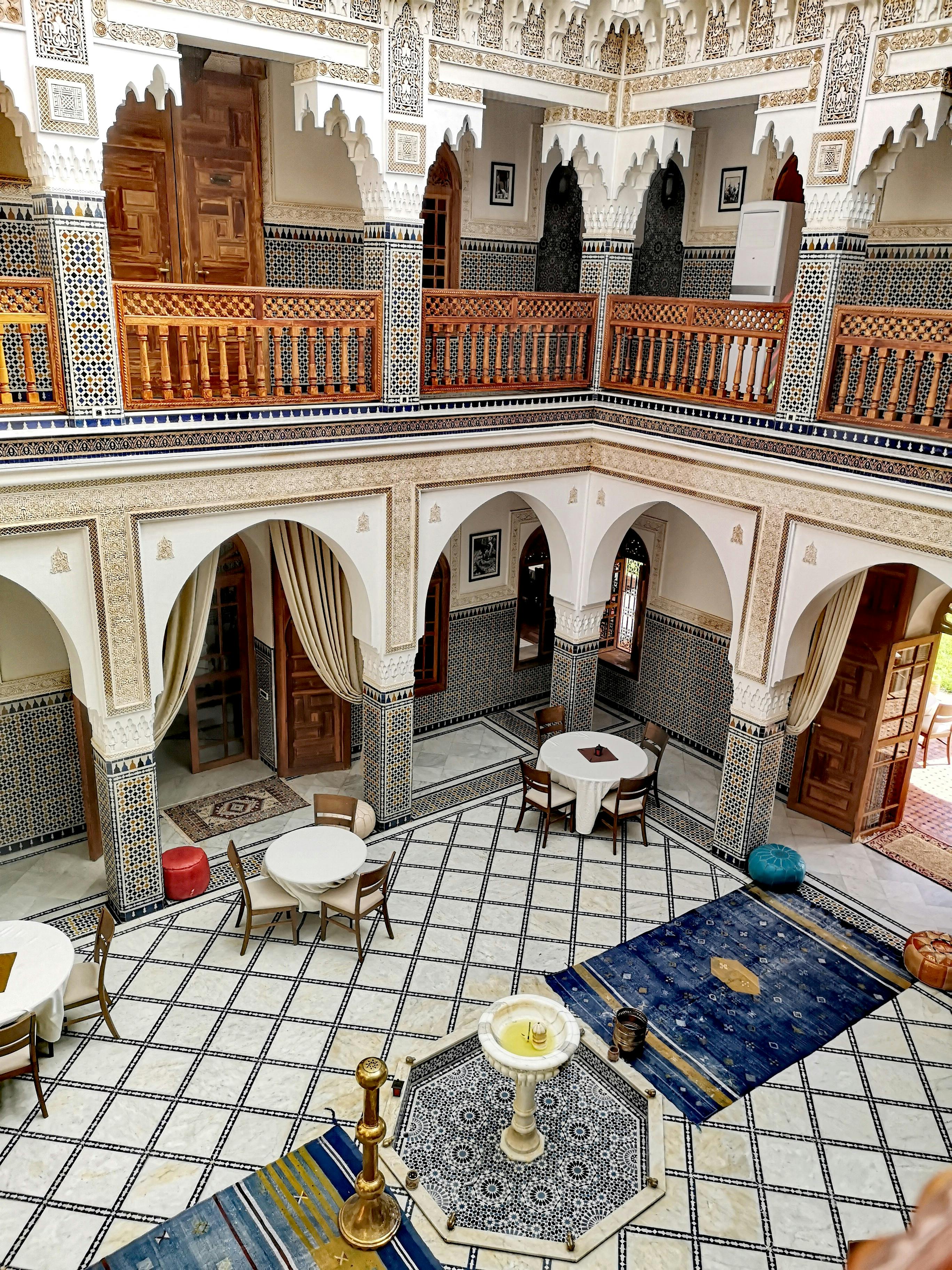
For a first stay, sleeping inside or right next to the medina changes everything: you're walking distance from Jemaa el-Fna, the souks, and most monuments. A riad with a courtyard and rooftop terrace is the most memorable experience — cool, quiet behind carved wooden doors, breakfast on the roof with storks overhead. If you'd rather have more space and a pool, the Hivernage or Guéliz districts, 10-15 minutes away by taxi, are a good modern alternative.
Still looking for a place to stay? Browse available homes in Marrakech to compare riads, apartments and villas, booked directly with the host.
Day 1 — The medina and its souks
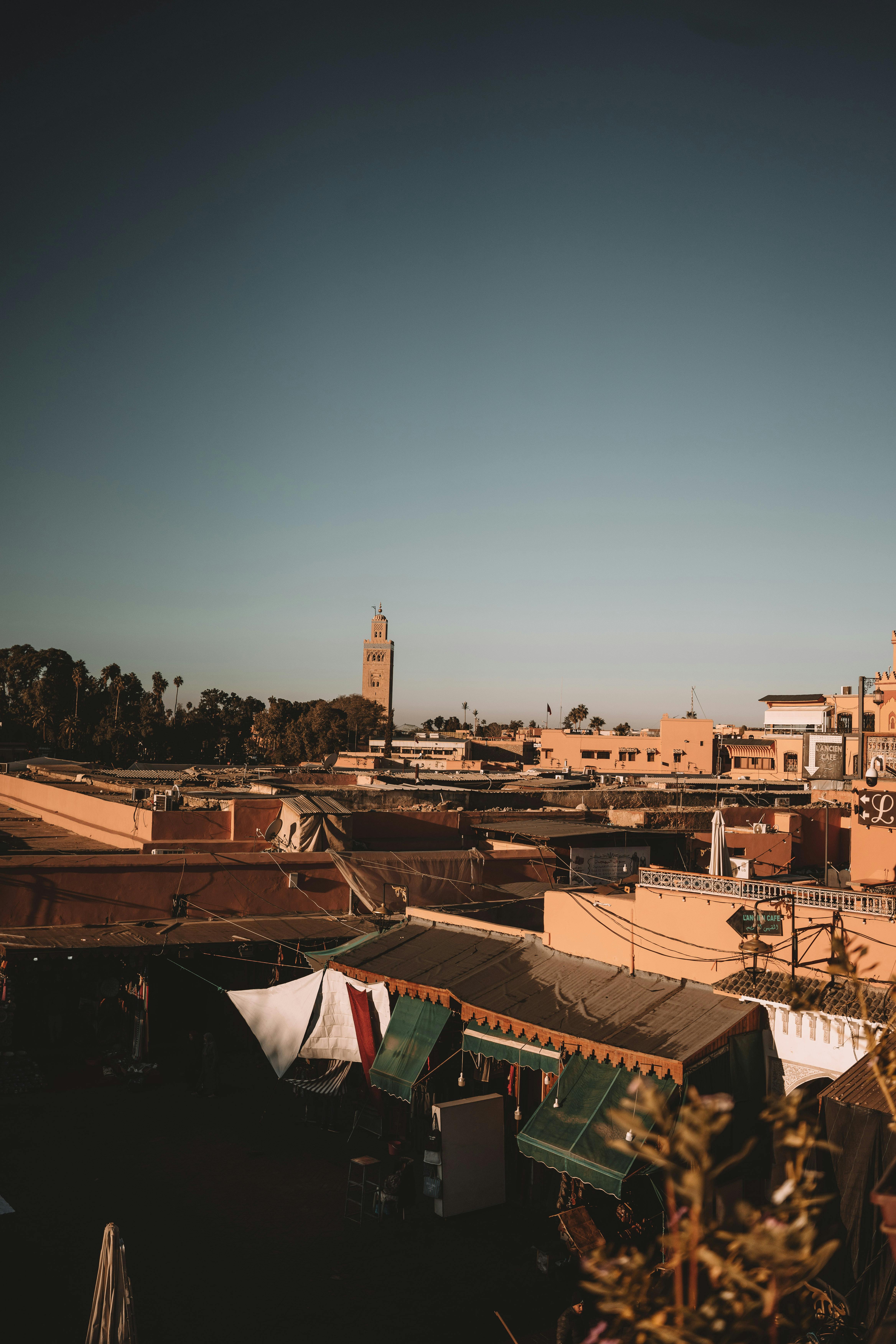
Start at Jemaa el-Fna early in the morning, while it's still calm — the best time to appreciate its architecture before the afternoon crowds arrive. Follow with the Koutoubia, the landmark mosque whose minaret serves as a reference point across the whole city (the interior isn't open to non-Muslims, but the surrounding gardens are worth the detour).
In the afternoon, get lost in the souks: the dyers' quarter, spices, babouches, hammered metal lamps. Don't look for a precise plan — it's by wandering that you find the best stalls. Bargain with a smile — it's a social game, not a confrontation, and the first price quoted is rarely the real one.
Come back to the square at dusk: food stalls set up, storytellers and musicians take over, and the whole atmosphere shifts.
Day 2 — Palaces, gardens and hammam
Spend the morning at two architectural gems close to each other: the Bahia Palace, with its zellige-tiled courtyards and painted ceilings, and the romantic ruins of El Badi Palace. Allow 1.5 to 2 hours for both.
The afternoon is a good time for a hammam — a real pause after a morning of walking. Between a traditional neighbourhood hammam (a few dozen dirhams, local vibe) and a riad spa (pricier, more comfortable), both are worth the experience depending on your budget and appetite for immersion.
End the day at the Jardin Majorelle or the Secret Garden, two cool oases in the heart of the city — book your slot online for Majorelle, it's often sold out in high season.
Day 3 — Atlas excursion or a last morning of shopping
If you're craving fresh air and mountains, a half-day trip into the Atlas Mountains (Ourika or Imlil valley) lets you see Berber villages and completely different scenery, less than an hour's drive away. It's a good way to close the trip on a more natural note.
If you'd rather stay in town, use this last morning for any shopping you haven't finished, or revisit a corner of the medina without time pressure — Marrakech is also best enjoyed by wandering with no fixed goal.
The best advice for Marrakech: always allow more time than you think for getting around the medina. The alleys are a maze, GPS barely works, and it's often while looking for your way that you stumble on the best discoveries.
Good to know before you go
- Dress: covering shoulders and knees is appreciated, especially in the medina and religious sites.
- Currency: the Moroccan dirham (MAD) isn't convertible outside the country — exchange locally, keep cash for souks and small shops.
- Taxis: the beige petits taxis are the most practical in town; negotiate or ask for the meter before getting in.
- Best time to visit: spring (March-May) and autumn (September-November) offer the most comfortable temperatures for walking all day.
Want to extend the trip? The Sahara desert can be reached from Marrakech in 2 to 3 days, for those with more time.
Ready to go?
Find an authentic home in Morocco, booked directly with the host, no commission.
Browse homes