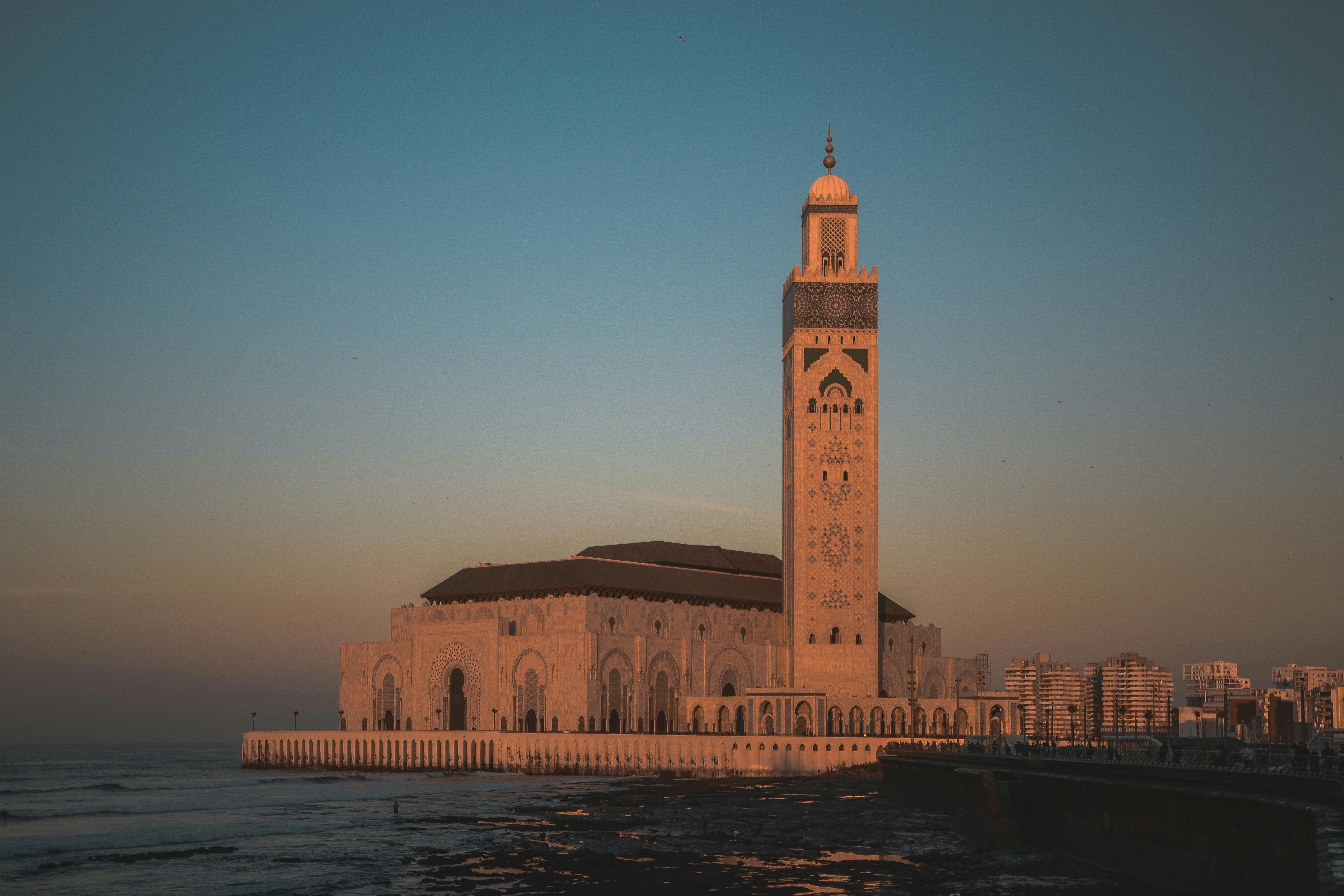
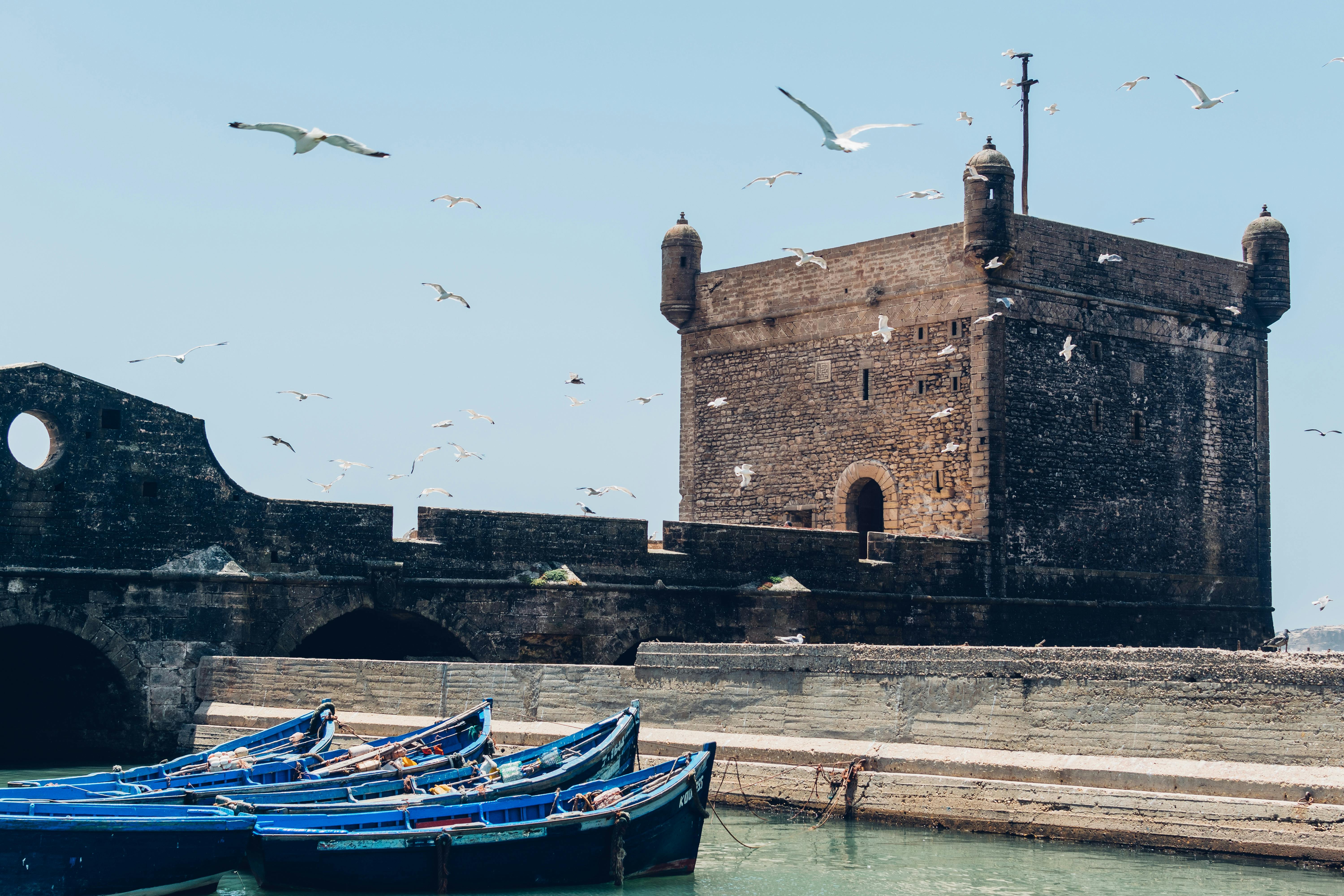
Founded in the 9th century, Fès is considered the spiritual and intellectual birthplace of Morocco — its medina, Fès el-Bali, is the largest uninterrupted car-free urban area in the world, a UNESCO World Heritage site since 1981. It's also, it has to be said upfront, the most disorienting medina in the country: over 9,000 alleys, no car traffic at all, and real skill required not to walk in circles.
Getting a guide, at least to start
Unlike Marrakech, getting lost in Fès isn't a fun little game — the alleys all look alike, there's no big visual landmark like the Koutoubia, and the network is so dense that a standard GPS struggles to keep up. Many travellers, even experienced ones, hire an official guide for the first half-day: it helps you understand the layout of the neighbourhoods before venturing out alone.
The Chouara Tanneries, spectacle and olfactory challenge in one
The Chouara Tanneries, nearly a thousand years old, are Fès's most iconic image: colourful dye pits (indigo, saffron, henna) where hides are still worked by hand using ancient methods. Seen from the terraces of the surrounding leather shops (usually free access, with a sprig of mint offered at the door for your nose), it's a striking sight — but also a strong smell, worth being prepared for.
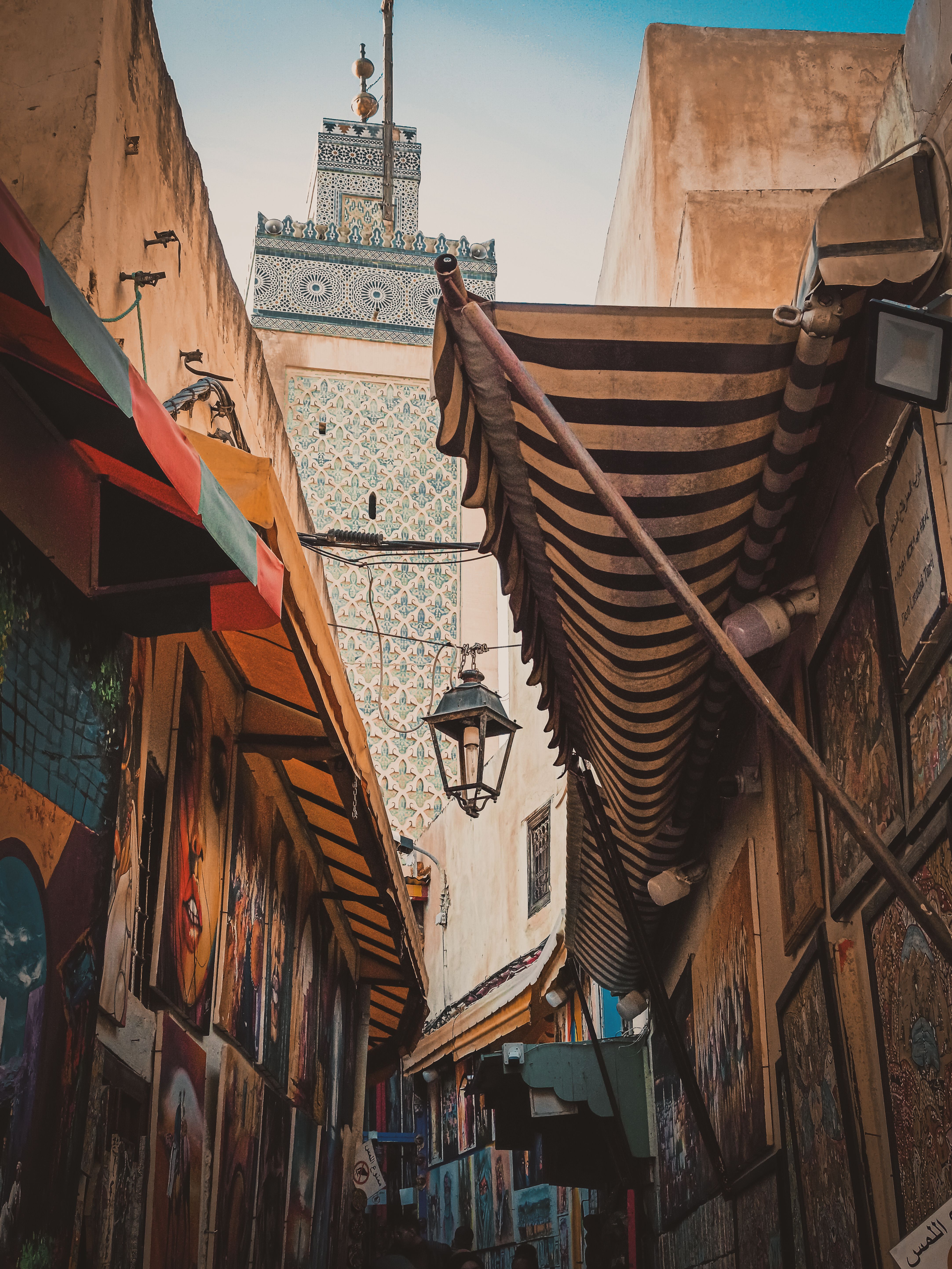
Madrasas and Marinid architecture
Fès holds some of Morocco's finest examples of Marinid architecture: the Bou Inania madrasa, with its zellige, stucco and carved wood, or the more intimate Al-Attarine madrasa. These former Quranic schools are mostly open to visitors and offer a level of architectural detail that rivals Marrakech's finest palaces, often in a much quieter setting.
Al Quaraouiyine University
Founded in 859, it's recognised by UNESCO and the Guinness World Records as the oldest continuously operating university in the world. The prayer hall isn't open to non-Muslims, but part of the inner courtyard can be glimpsed through open doors — a powerful symbol of the city's intellectual heritage.
Craft: pottery and leather
Fès is known for its blue pottery (the famous "Fès blue") and zellige ceramic workshops, as well as leatherwork tied directly to the tanneries. Prices call for genuine bargaining, but the craftsmanship remains among the most authentic in the country, far from the mass production found elsewhere.
Fès demands more patience than Marrakech, but rewards the effort generously: it's the city where you feel Morocco's historical depth most strongly, away from the busiest tourist circuits.
How long to stay
Two full days let you cover the medina's essentials without rushing. Fès pairs well with a stop in Chefchaouen or Meknès, less than an hour away, for a complete northern Morocco itinerary.
Good to know
- Footwear: the medina's cobblestones are uneven and sometimes slippery — wear closed, comfortable shoes.
- Touts: as in every major medina, people will spontaneously offer to "guide" you — a polite decline, if you haven't arranged a guide, is generally the best approach.
- Best time to visit: spring and autumn, as with most imperial cities — summers here are hot and dry.
Ready to go?
Find an authentic home in Morocco, booked directly with the host, no commission.
Browse homes